Athletes and active people frequently sustain sports injuries. Thankfully, a qualified sports physical therapist can assist in the effective treatment and management of many of these injuries. Regardless of whether one is a weekend warrior or an elite athlete, physical therapy is essential for enhancing overall performance, preventing further injury, and expediting recovery. In order to help you understand how a sports physical therapist can significantly impact your recovery, we’ll examine some of the best physical therapy treatments for common sports injuries in this post.
Table of Contents
1. Manual Therapy
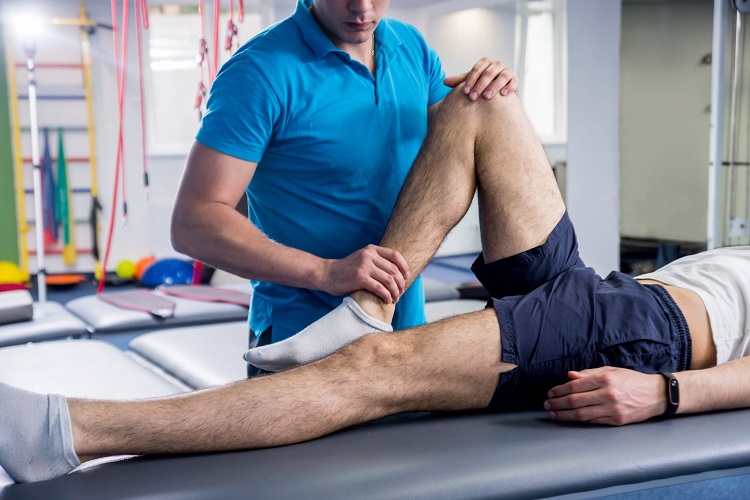
Manual therapy is one of the most widely used techniques in sports physical therapy. It involves hands-on treatment, where the therapist uses their hands to manipulate, mobilize, or massage muscles, joints, and connective tissues. With this type of therapy, soft tissue injuries like sprains and strains can get better circulation, less pain, and the ability to move again in the affected areas.
For athletes, manual therapy can target tight muscles, improve flexibility, and reduce muscle spasms. As an illustration, a sports physical therapist may implement manual therapy to alleviate muscle tension, enhance blood circulation, and facilitate the healing process in the event that an athlete experiences a hamstring strain.
2. Therapeutic Exercise
Therapeutic exercise is a core component of physical therapy and is essential for both injury rehabilitation and injury prevention. A sports physical therapist will design a personalized exercise program tailored to the athlete’s specific needs. In order to perform at your best and lower your chance of getting hurt again, you need to increase your strength, flexibility, balance, and coordination.
For example, strengthening exercises targeted at the stabilizing muscles of the shoulder can help reduce pain and stop further damage if an athlete has an overuse shoulder injury, such as rotator cuff tendinitis. Stretching, resistance training, and functional movements that replicate the demands of the sport are common components of these workouts.
3. Cryotherapy and Heat Therapy
Cryotherapy (cold therapy) and heat therapy are two of the most commonly used modalities in sports physical therapy. Both treatments help manage pain, reduce inflammation, and promote healing, though they are used at different stages of injury recovery.
Cryotherapy is typically applied immediately after an injury or during the acute phase of recovery to reduce swelling and numb pain. Ice packs, ice baths, and cryo chambers are all popular forms of cryotherapy. On the other hand, heat therapy is often recommended for chronic injuries or after the acute phase has passed. It eases stiffness, relaxes muscles, and improves blood flow to the afflicted area. Heat pads, hot baths, and warm towels are common methods used for heat therapy.
4. Electrical Stimulation
Electrical stimulation, or e-stim, is a non-invasive therapy often used to help reduce pain and promote muscle contraction. In order to stimulate the muscles and nerves, a sports physical therapist will apply electrodes to the skin close to the injured area. For patients who are unable to move the injured area, this helps prevent muscle atrophy, lessen pain, and lessen muscle spasms.
For athletes with injuries like sprained ankles or knee pain, electrical stimulation can enhance the rehabilitation process by promoting muscle activation and improving circulation to the injury site.
5. Kinesiology Taping
Kinesiology taping, also known as KT tape, is a widely recognized treatment used by sports physical therapists to support muscles and joints during recovery. The elastic tape is applied to the skin in a way that mimics the natural movement of muscles and joints. The primary purpose of kinesiology tape is to alleviate pain and swelling while allowing for a full range of motion.
This treatment is often used for athletes recovering from conditions like tennis elbow, runner’s knee, or sprained ankles. KT tape can help improve proprioception (the body’s sense of its position in space), reduce discomfort during movement, and assist with muscle re-education.
6. Sports-Specific Rehabilitation
For athletes, rehabilitation needs to go beyond general treatments and address the specific demands of their sport. A sports physical therapist will often incorporate sport-specific movements and drills into the rehabilitation process to ensure that the athlete can return to their activity as efficiently and safely as possible.
For example, a runner recovering from a knee injury might work on exercises that emphasize running mechanics, strengthening the quadriceps, and improving joint mobility. Similarly, a soccer player might focus on agility drills, lateral movements, and jumping exercises to regain full functionality of the injured area.
Conclusion
Injury recovery and prevention are key components of an athlete’s performance, and sports physical therapy plays a vital role in both. From manual therapy and therapeutic exercise to cryotherapy, electrical stimulation, and sport-specific rehabilitation, a sports physical therapist offers a variety of treatments that can help athletes recover faster, reduce pain, and prevent future injuries. With improved performance and a lower chance of injury, athletes can resume their enjoyment of their sport by collaborating closely with a sports physical therapist. Whether you’re an amateur or a professional, physical therapy is an essential tool for achieving long-term athletic success.