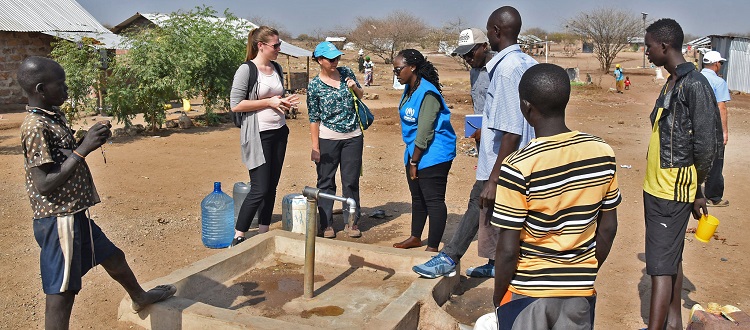
Something interesting happens when neighborhoods get stronger. People start caring more about their surroundings. Streets get cleaner. Parks get better. The air feels fresher. It’s not coincidence – communities with solid foundations just naturally take better care of their environment.
Poor neighborhoods often get stuck in survival mode. When you’re worried about keeping the lights on, composting feels pretty irrelevant. But give people stable jobs and decent schools, and suddenly they have the energy to think about recycling programs and tree planting.
HDI Six Nations figured this out years ago. They know you can’t separate community health from environmental health. Fix one, and the other usually follows. Ignore one, and both suffer.
Table of Contents
1. Money Troubles Kill Environmental Motivation
Energy-efficient appliances cost more upfront. Organic food costs extra. Solar panels require good credit. Environmental choices often come with price tags that most struggling families can’t afford.
But flip the script. Give someone a decent paycheck and watch what happens. They start noticing which products last longer. They consider fuel efficiency when buying cars. They have the bandwidth to think past next week’s grocery bill.
Green jobs work especially well because they solve two problems at once. Cleaning up contaminated sites provides steady work while fixing environmental damage. Wind farm construction creates local employment while reducing pollution.
- Weatherization programs: Training local workers to improve home energy efficiency
- Urban farming initiatives: Teaching food production skills while improving neighborhood nutrition
- Recycling cooperatives: Creating income opportunities through waste management improvements
Economic security lets people care about environmental issues beyond basic survival.
2. Knowledge Without Resources Goes Nowhere
Teaching people about environmental protection while they’re struggling financially just creates frustration. What’s the point of learning about water conservation if you can’t afford low-flow fixtures? Why discuss solar power with renters who can’t install panels?
Better education programs connect environmental benefits to the immediate concerns people already have. Lower utility bills. Healthier kids. Cleaner neighborhoods. Money in their pockets.
When neighbors see friends saving cash through environmental improvements, they pay attention. Social proof works better than any government campaign.
3. Neighbors Who Talk Make Things Happen
Isolated people don’t start environmental movements. But get neighbors talking to each other, and suddenly someone suggests a community garden. Then someone else wants to organize creek cleanups. Pretty soon, the whole block is working together.
Strong social connections create informal accountability systems. People feel silly letting their yards look terrible when everyone else is planting flowers. Peer pressure works both ways.
- Block parties: Social events that build relationships and community pride
- Skill sharing networks: Neighbors teaching each other useful environmental techniques
- Collective buying groups: Bulk purchasing that makes green products more affordable
Connected communities accomplish environmental goals that isolated individuals can’t tackle alone.
4. Pride Makes People Protective
Communities with a sense of pride take pride in their environment. Pollution and waste are not tolerated in places with a strong sense of identity and local pride. Environmental harm is viewed as a personal slight by locals.
Cultural festivals frequently draw attention to the relationships between local landscapes and community identity. Park festivals serve to emphasize the value of green spaces. Historical societies highlight how local resources were safeguarded by previous generations.
Environmental stewardship is more efficiently motivated by neighborhood pride than by abstract environmental instruction.
Conclusion
Instead of being an enforced burden, environmental protection becomes a natural priority when communities have the resources they need to prosper. People defend the places they love, especially those that contribute to their prosperity and well-being.