Imagine this: You’re hustling through the Windy City, Chicago. Everything is a blur. Faces, street signs, the lines in your hands – they’re all hazy. Panic grips you. This isn’t a scene from a horror film. It’s what could happen if we ignore the importance of regular eye exams. Our eyes are our windows to the world and we often don’t acknowledge their value until something goes wrong. Sometimes, they require assistance – like a pair of scleral contact lenses eye specialists recommend for certain vision impairments. It’s a simple, comfortable solution, but one you’ll only know about if you keep up with your eye health.
Table of Contents
The Silent Threats to Vision
We all fear sudden loss of vision like in our imaginary scenario. But often, the true threats to our sight are slow, silent, and unnoticed. Diseases like Glaucoma and Age-Related Macular Degeneration creep up unnoticed. Regular eye exams are the only way to detect these conditions early.
Eye Exams: More than Vision Tests
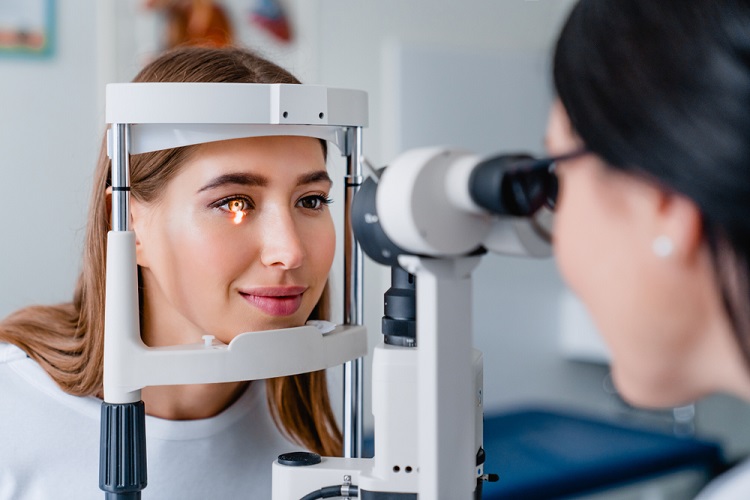
An eye exam isn’t about just updating your glasses or contact lenses. It’s a detailed check-up for your eyes. Eye specialists look for signs of diseases, monitor your eye health, and prescribe treatments like scleral contact lenses for specific conditions. Beyond traditional corrective lenses, advancements in ophthalmology offer more permanent solutions for vision correction. Laser eye surgery, for instance, has become a popular and effective method to address refractive errors. This procedure involves reshaping the cornea to improve the eye’s ability to focus light correctly, often resulting in significantly clearer vision. For those seeking to understand the specifics of how such modern techniques can transform their sight, it’s beneficial to enquire about eye sugery options. These procedures are typically quick and performed with minimal discomfort, providing a long-term alternative to glasses or contact lenses.
Children and Eye Exams
Children, especially, need regular eye exams. Vision issues can affect their learning and growth. Early detection and correction can prevent lifelong vision problems.
The Vision-Health Connection
Your eyes are a window into your overall health. Signs of diseases like diabetes, high blood pressure, and even some cancers can be detected during an eye exam.
How Often Should You Get Your Eyes Checked?
For most people, an annual eye exam is sufficient. But if you’re at a high risk for eye diseases – due to age, family history, or a pre-existing condition – you might need more frequent check-ups.
Conclusion
Sight is precious. And safeguarding it means more than just avoiding squinting at small print or stumbling on sidewalks. It means taking proactive steps, like regular eye exams and following your eye specialist’s advice – whether that involves glasses, contact lenses, or solutions like scleral contact lenses. Be vigilant about your vision. The reward is a lifetime of clear sight.